
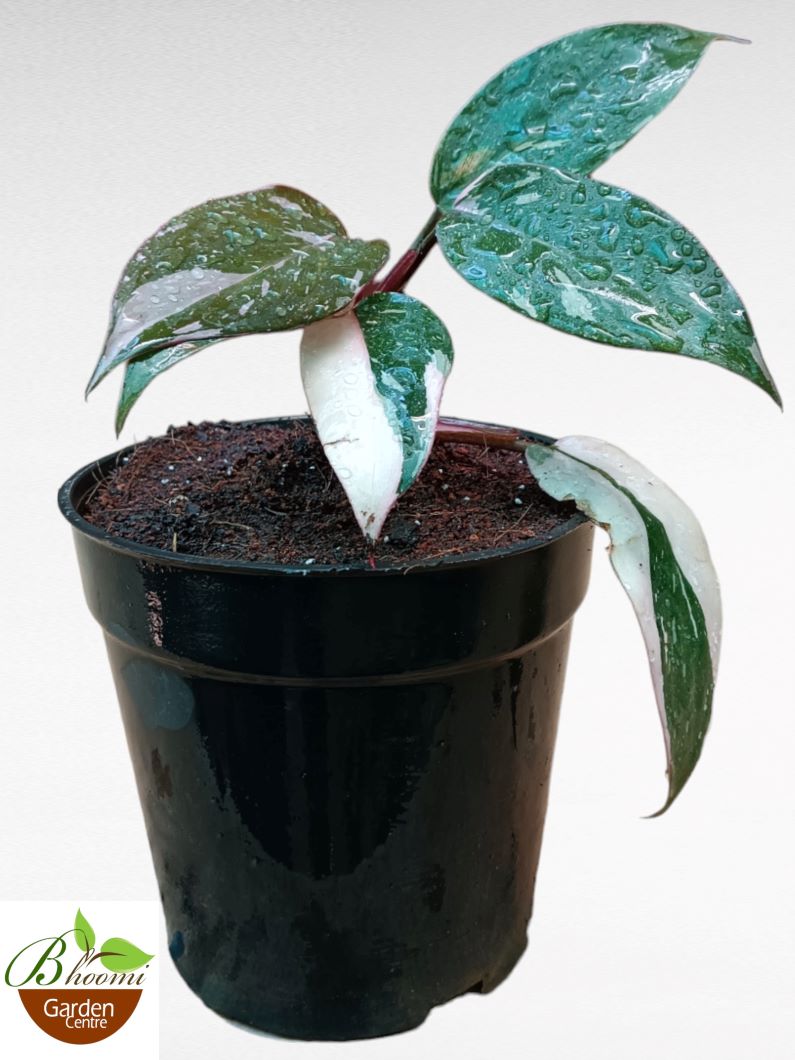
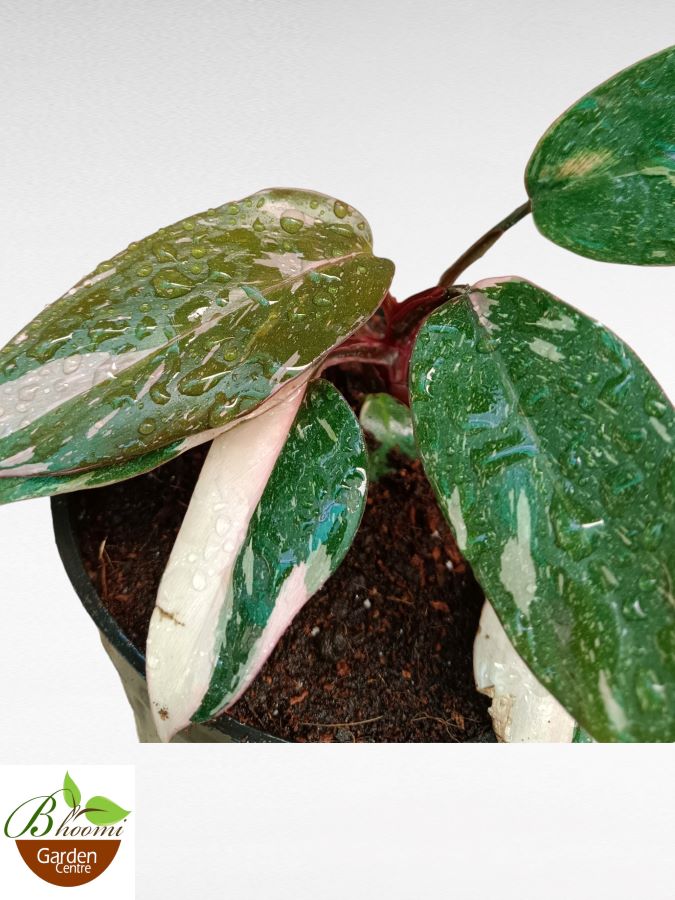
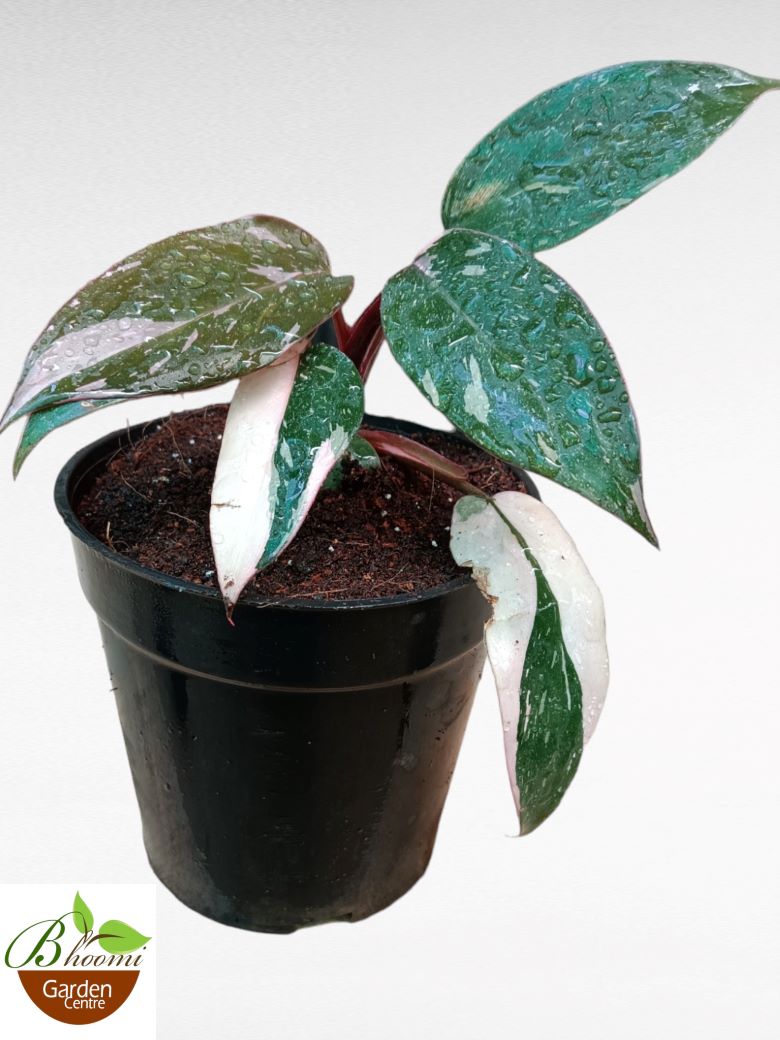
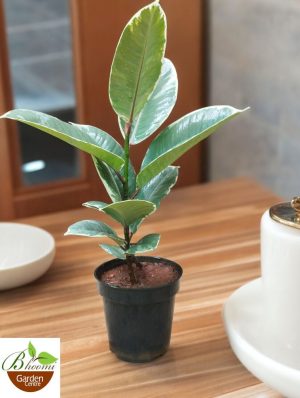
The Philodendron Pink Princess is a highly sought-after indoor plant known for its striking dark green to black leaves splashed with pink variegation. Its bold colors and easy-going nature make it a popular choice among plant enthusiasts. While it’s relatively easy to care for, it does require specific conditions to maintain its pink variegation.
1. Seed Selection
- Philodendron Pink Princess is usually propagated through stem cuttings, not seeds.
- When selecting cuttings, ensure they have at least one healthy node and some pink variegation in the leaves to guarantee the color will continue.
2. Planting Time
- You can propagate or repot Philodendron Pink Princess at any time of the year, although spring and summer are ideal for faster growth.
- During the warmer months, the plant will root and establish more quickly.
3. Soil Preparation
- Use a well-draining aroid potting mix. A combination of orchid bark, peat, perlite, and compost is ideal.
- Ensure the mix holds moisture but drains well to avoid soggy roots, which can lead to rot.
4. Planting
- For cuttings, plant the stem with at least one node in the soil, ensuring the node is covered with the potting mix.
- Water lightly after planting and place the cutting in a warm, humid area with bright, indirect light.
5. Root Establishment
- Roots should start forming within 2-3 weeks. Keep the soil consistently moist but not waterlogged.
- Maintain high humidity (60-80%) during the rooting process to encourage faster root development.
6. Watering and Care
- Water when the top 2 inches of soil feel dry. Philodendron Pink Princess prefers moist but not soggy soil.
- It thrives in bright, indirect light. Too much direct sunlight can scorch the leaves, while too little light may cause the plant to lose its pink variegation.
7. Fertilizing
- Feed your plant with a balanced liquid fertilizer diluted to half strength every 4-6 weeks during the growing season (spring and summer).
- Avoid over-fertilizing, as this can lead to excessive green growth and less pink variegation.
8. Pests and Diseases
- Keep an eye out for common pests like spider mites, aphids, and mealybugs. Wipe the leaves regularly to remove dust and prevent pest infestations.
- Root rot can occur if the plant is overwatered, so ensure that your soil drains well and your plant isn’t sitting in water.
9. Pruning and Maintenance
- Prune occasionally to encourage new growth and maintain the shape of the plant.
- Trim off entirely green leaves to promote more pink variegation, as the plant may revert to green if not pruned.
10. Repotting
- Repot every 2-3 years or when the plant becomes root-bound. Choose a pot that is one size larger than the current one.
- Repotting in spring is ideal to give the plant ample time to adjust and grow during the warm months.
Conclusion
The Philodendron Pink Princess is a stunning addition to any indoor plant collection, known for its unique pink and green foliage. By providing it with the right conditions, including well-draining soil, bright indirect light, and proper watering, you can enjoy its beautiful variegation for years. Regular pruning and fertilization will help maintain its vibrant pink tones, making it a true centerpiece in any room.
Reviews
There are no reviews yet.